By On-Site Electric | Commercial & Industrial Electrical Contractor, Golden, CO | Published 10/7/26 | Last updated 10/7/26
Short answer: A commercial or industrial facility needs an electrical inspection when it shows any of these five warning signs: (1) breakers that trip repeatedly or won’t reset, (2) flickering or dimming lights, (3) warm, discolored, or buzzing panels and outlets, (4) equipment that fails early or faults for no clear reason, or (5) aging, undocumented, or recently overloaded electrical systems. Catching these early is almost always cheaper and safer than responding after an outage, equipment loss, or fire.
In this article
Most facility electrical emergencies don’t come out of nowhere. The panel that finally fails on a Friday afternoon has usually been giving off signals for months: a breaker that trips “once in a while,” a light that flickers when the compressor kicks on, a faint burning smell nobody could trace. The problem is that in a busy facility, those signals get written off as quirks.
If you manage a warehouse, manufacturing plant, commercial building, or any property where downtime costs real money, this guide covers the five warning signs that mean it’s time to call a licensed commercial electrician for an inspection, and what that inspection actually involves. It’s written by the team at On-Site Electric, a commercial and industrial electrical contractor serving Golden, Jefferson County, and the Denver metro area.
What does a commercial electrical inspection actually involve?
A commercial electrical inspection is a hands-on evaluation of a facility’s electrical system by a licensed electrician to find unsafe conditions, failing components, and capacity problems before they cause an outage or fire. It typically covers panels and switchgear, wiring and connections, grounding and bonding, circuit loading, and the condition of protective devices like breakers and disconnects.
A thorough inspection usually includes:
- Visual inspection of panels, disconnects, wiring, conduit, and equipment for damage, corrosion, overheating, and code issues
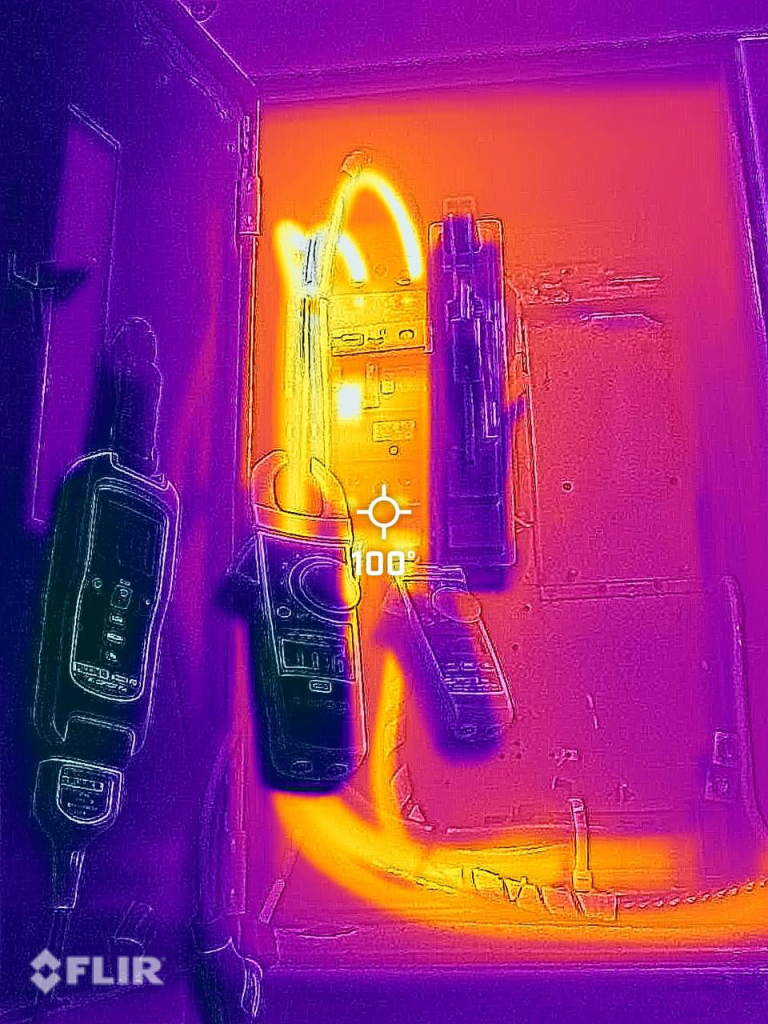
- Thermal imaging (infrared thermography) of panels and connections while the system is under normal load, which shows hot spots that can’t be seen with the naked eye
- Torque and connection checks on terminations, since loose connections are a common cause of heat and failure
- Load review to see whether circuits and panels are running near or beyond their capacity
- Labeling and documentation check to confirm panel schedules and circuit directories match reality
The result should be a written report that ranks findings by urgency, so you know what needs attention now and what can be scheduled.
Sign 1: Do your breakers trip repeatedly or refuse to reset?
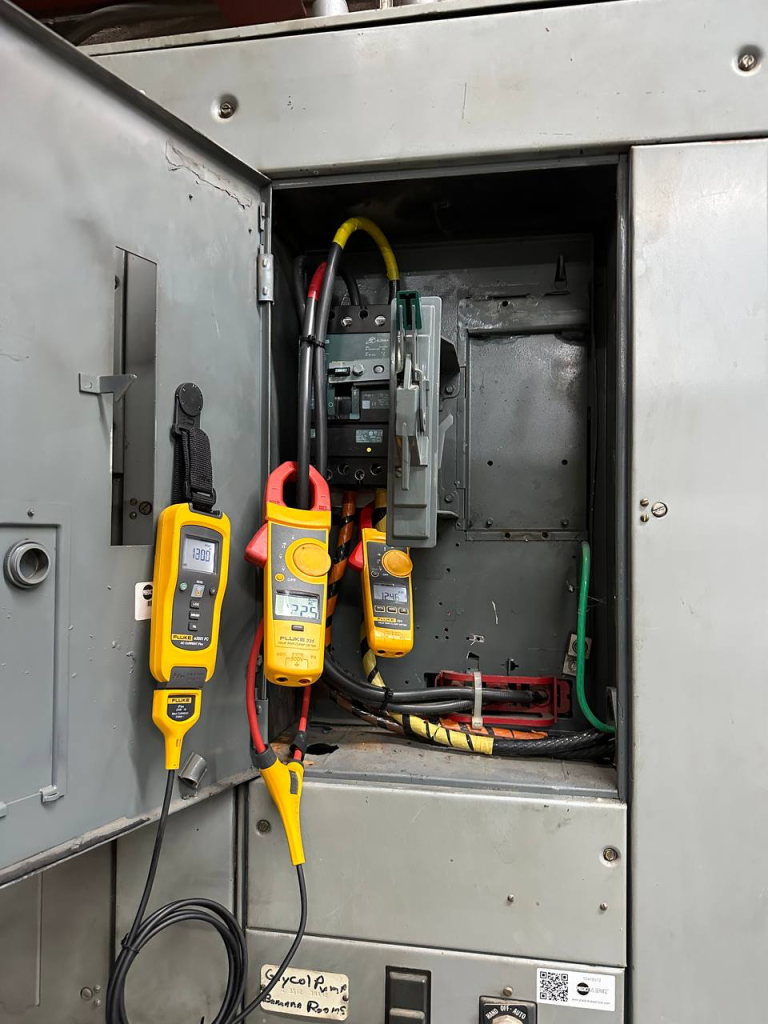
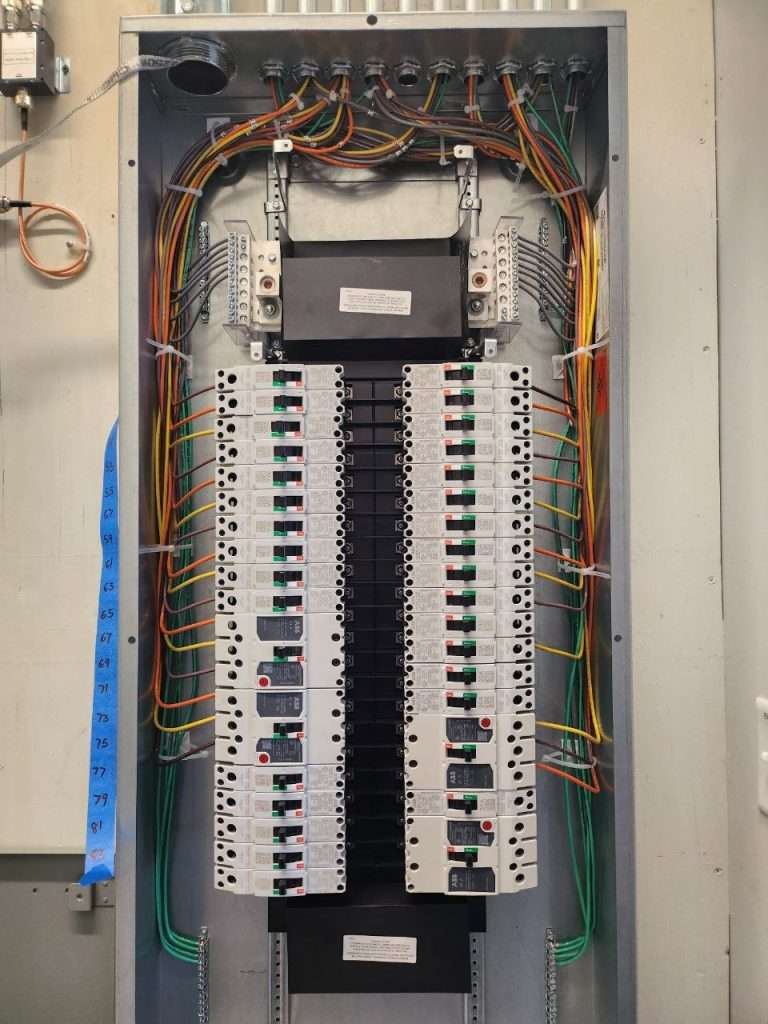
A breaker that trips repeatedly is a warning, not a nuisance. A circuit breaker is designed to trip when a circuit is overloaded, shorted, or faulted, so a breaker that keeps tripping means something in the circuit is wrong. Common causes include overloaded circuits, failing equipment drawing too much current, loose or damaged wiring, and a worn breaker that no longer holds its rating.
The worst response is the most common one: resetting it again, or swapping in a larger breaker. A larger breaker doesn’t fix the cause, and it can allow the wire behind it to overheat before the breaker ever trips, which is how electrical fires start.
Call for an inspection if:
- The same breaker trips more than once in a few weeks
- A breaker won’t reset at all
- A breaker trips only under certain conditions, like when specific equipment starts up
- Someone has already “fixed” it by replacing the breaker with a higher rating
Sign 2: Are your lights flickering or dimming?
Flickering or dimming lights in a commercial building usually point to a loose connection, an overloaded circuit, or voltage drops on the system. Sometimes it’s just a failing fixture or driver, which is a simple fix. But when lights dim in a pattern, such as every time a large motor, compressor, or HVAC unit starts, it suggests the system is struggling to supply the load.
Persistent flickering across multiple fixtures or areas, especially combined with other signs on this list, deserves a professional look. Loose connections in particular generate heat, and heat is what turns a minor problem into a dangerous one.
Call for an inspection if:
- Lights dim when heavy equipment starts
- Flickering affects multiple fixtures or an entire area
- Flickering comes with buzzing, warm switches, or a burning smell
- The problem keeps coming back after fixtures or bulbs were replaced
Sign 3: Are panels, outlets, or switches warm, discolored, or buzzing?
Heat, discoloration, burning smells, and buzzing are signs of active electrical trouble and should be treated as urgent. Electrical components shouldn’t be noticeably hot to the touch. Scorch marks, brown or black discoloration, melted insulation, a persistent burning or hot-plastic smell, or a buzzing or crackling sound from a panel or outlet all indicate overheating, arcing, or a failing connection.
If you see or smell any of these, treat it as urgent. Don’t wait for the next scheduled maintenance window. If there’s an active burning smell, smoke, or visible sparking, de-energize the affected equipment if it’s safe to do so, clear the area, and call 911 first, then a licensed electrician.
Once the immediate danger is handled, On-Site Electric can track down the cause and make the repair for commercial and industrial facilities in Golden and the Denver metro area. Request service.
Sign 4: Is your equipment failing early or faulting for no clear reason?
Unexplained equipment failures, nuisance faults, and shortened equipment life are often power quality problems, not equipment problems. If motors, drives (VFDs), controls, or sensitive electronics keep failing or throwing faults, and the equipment itself checks out, the electrical supply feeding it may be the culprit. Voltage imbalance, harmonic distortion, poor grounding, and loose connections can all damage equipment over time without ever tripping a breaker.
This one is easy to misdiagnose. Replacing a failed drive or control board without checking the electrical system just means the replacement may fail the same way. If you’re automating or adding controls to a facility, it’s also worth confirming the electrical infrastructure can support them. We cover this kind of work in our automation and controls electrical services.
Call for an inspection if:
- The same equipment fails repeatedly
- Drives, controls, or electronics fault with no clear cause
- Motors run hot or fail sooner than expected
- You’ve recently added equipment and problems started afterward
Sign 5: Is your electrical system old, undocumented, or carrying more than it was built for?
An aging, poorly documented, or overloaded electrical system is a risk even when nothing has visibly gone wrong yet. Facilities change over time. Equipment gets added, tenants change, production lines expand, and nobody updates the panel schedule. A building’s electrical system built for one use can end up supporting something very different, with circuits and panels quietly running near their limits.
Warning signs include:
- Panels with missing, faded, or inaccurate labels. If nobody can say with confidence what each breaker controls, troubleshooting an outage gets slow and risky.
- Obsolete or discontinued equipment. Some older panel and breaker brands have long-documented reliability problems, and replacement parts can be hard to find.
- Added load with no review. New machinery, lighting, or tenant improvements installed without checking whether the existing service and panels can handle them.
- No inspection on record. If you can’t remember when the system was last evaluated, or you inherited the building without a maintenance history, that’s your answer.
Industry guidance on electrical maintenance, including NFPA 70B (the standard for electrical equipment maintenance), emphasizes planned, documented maintenance programs over waiting for failures. Your insurance carrier may also have requirements or recommendations, so it’s worth asking.
How often should a commercial facility get an electrical inspection?
There’s no single schedule that fits every facility, but a good rule of thumb is a baseline inspection if you’ve never had one or can’t remember the last, then recurring inspections on a schedule matched to the facility’s risk. Higher-risk environments (manufacturing, heavy equipment, dusty or wet conditions, 24/7 operations) warrant more frequent attention than a low-load office. Thermal imaging is commonly done annually in many facilities, and recommended intervals can vary based on equipment condition, environment, and criticality.
The most useful approach is a preventive maintenance agreement with a commercial electrician who learns your building, so inspections happen on a schedule instead of after something breaks.
Is an inspection worth the cost compared to waiting?
For most facilities, yes, because the cost of an inspection is typically small compared to the cost of an unplanned outage. An inspection finds problems while they’re still scheduled repairs. Waiting means paying for the same repairs on an emergency basis, plus lost production, damaged equipment, and in the worst case, fire or injury. Because we bill service work on a time-and-materials basis, you pay for the actual work performed, and you’ll see exactly what was found and what it takes to fix.
What should you do if you spot one of these signs?
- Write it down. Note what you saw, where, and when. Patterns help an electrician find the cause faster.
- Don’t reset or “upsize” your way out of it. Repeatedly resetting breakers or installing a larger one can hide the problem and raise the risk.
- Treat heat, burning smells, and sparking as urgent. De-energize if safe, clear the area, and call 911 for any fire or smoke.
- Call a licensed commercial electrician to inspect and give you a written list of findings.
- Schedule the non-urgent fixes so they happen on your timeline, not during an outage.
About On-Site Electric
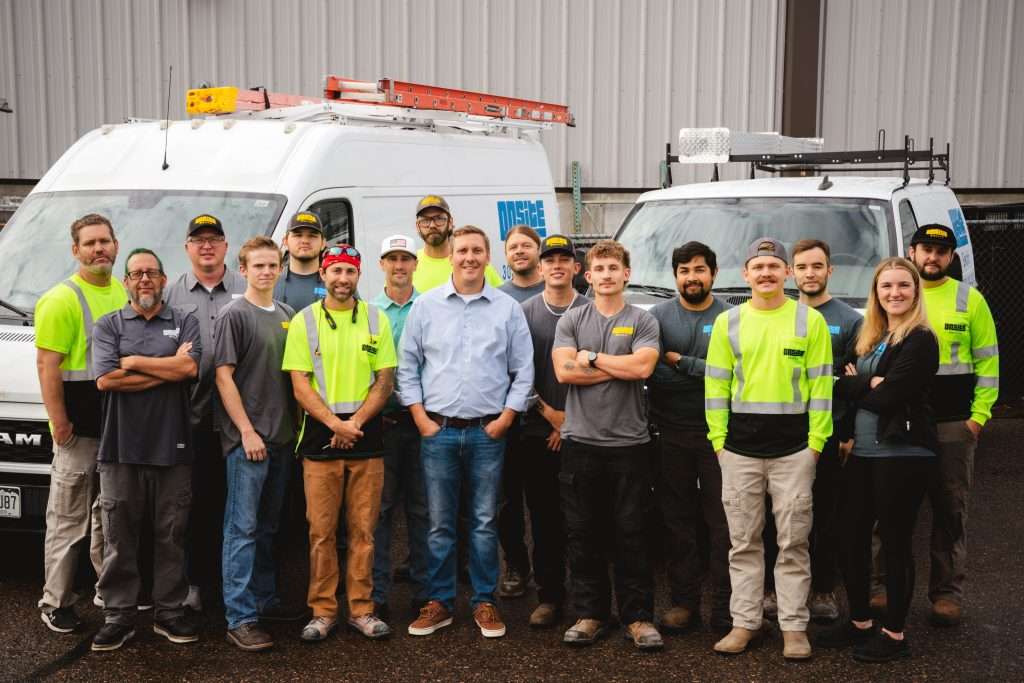
On-Site Electric is a commercial and industrial electrical contractor based in Golden, Colorado, serving Jefferson County and the greater Denver metro area. Our licensed journeymen and apprentices handle panel upgrades, troubleshooting and repair, lighting retrofits, preventive maintenance, and automation and controls electrical work. Learn more about who we are and what we do or see our full list of electrical services.
Frequently asked questions
How do I know if my commercial building needs an electrical inspection?
Your building likely needs an inspection if you notice breakers tripping repeatedly, flickering or dimming lights, warm or discolored panels and outlets, equipment failing without a clear cause, or an electrical system that is old, undocumented, or carrying more load than it was designed for. If you can’t remember when the system was last inspected, that alone is reason enough.
What is thermal imaging in an electrical inspection?
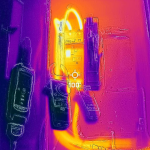
Thermal imaging, also called infrared thermography, uses a special camera to detect heat patterns in panels, connections, and equipment while they are energized and under normal load. Hot spots often indicate loose connections, overloaded circuits, or failing components, and they can be found before anything fails.
Is a breaker that keeps tripping dangerous?
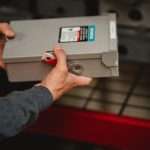
It can be. A breaker that trips repeatedly is signaling an overload, a short, a fault, or a failing breaker. Resetting it repeatedly or replacing it with a larger breaker can allow wiring to overheat, which increases fire risk. A licensed electrician should find the cause.
What should I do if I smell burning near an electrical panel?
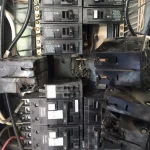
Treat it as an emergency. If there is smoke, fire, or visible sparking, call 911. If it is safe, de-energize the affected equipment and clear the area, then call a licensed electrician right away. On-Site Electric troubleshoots and repairs electrical problems for commercial and industrial facilities in Golden and the Denver metro area.
How often should a commercial facility have its electrical system inspected?
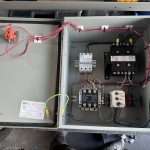
It depends on the facility. Higher-risk environments such as manufacturing, heavy equipment, harsh conditions, or 24/7 operations should be evaluated more often than a typical office. Many facilities schedule thermal imaging annually, and a preventive maintenance agreement with a commercial electrician keeps inspections on a regular schedule.
Does On-Site Electric perform electrical inspections for commercial and industrial facilities in Golden, CO?
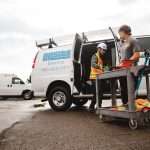
Yes. On-Site Electric is a licensed commercial and industrial electrical contractor in Golden, Colorado, serving Jefferson County and the Denver metro area, including Wheat Ridge, Lakewood, and Arvada.
Seeing one of these signs in your facility? Don’t wait for it to become an outage. Request a quote or schedule an inspection and we’ll give you an honest read on what’s going on and what, if anything, needs attention first.